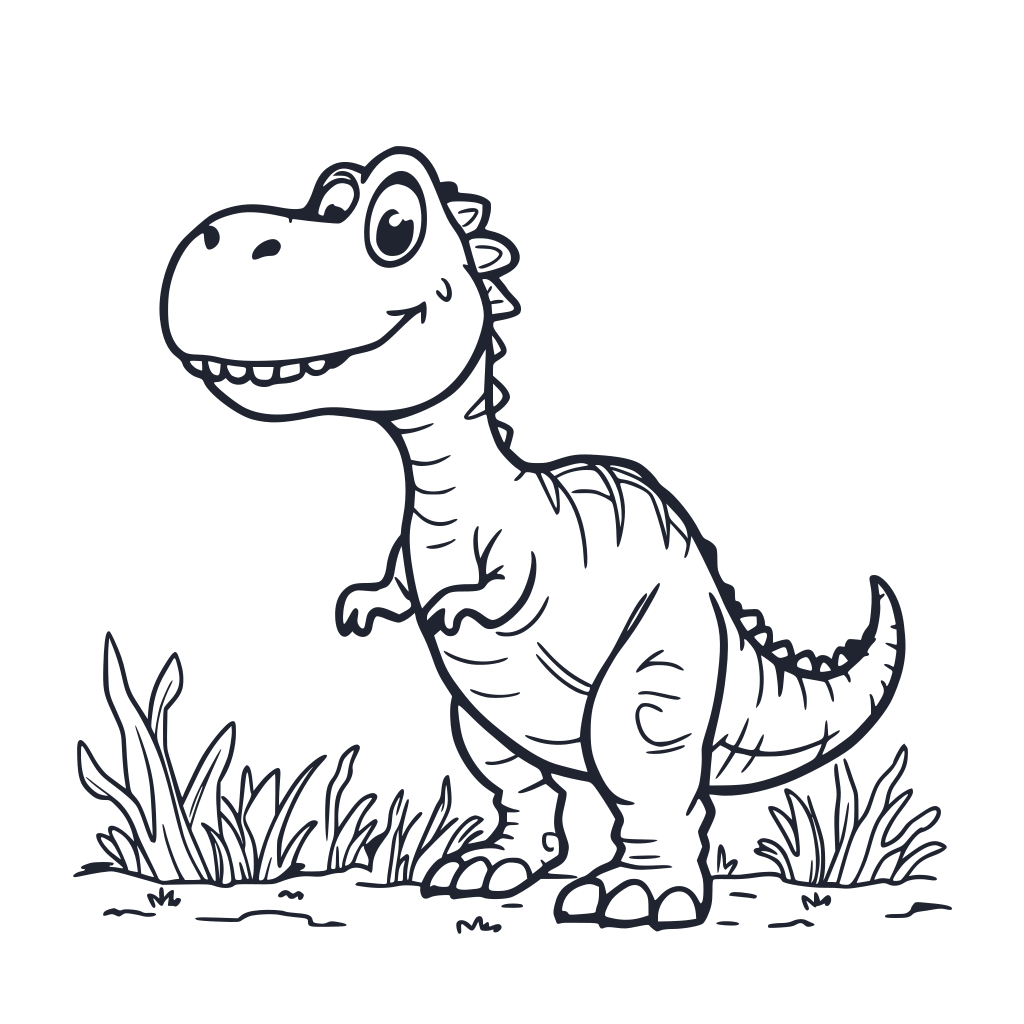
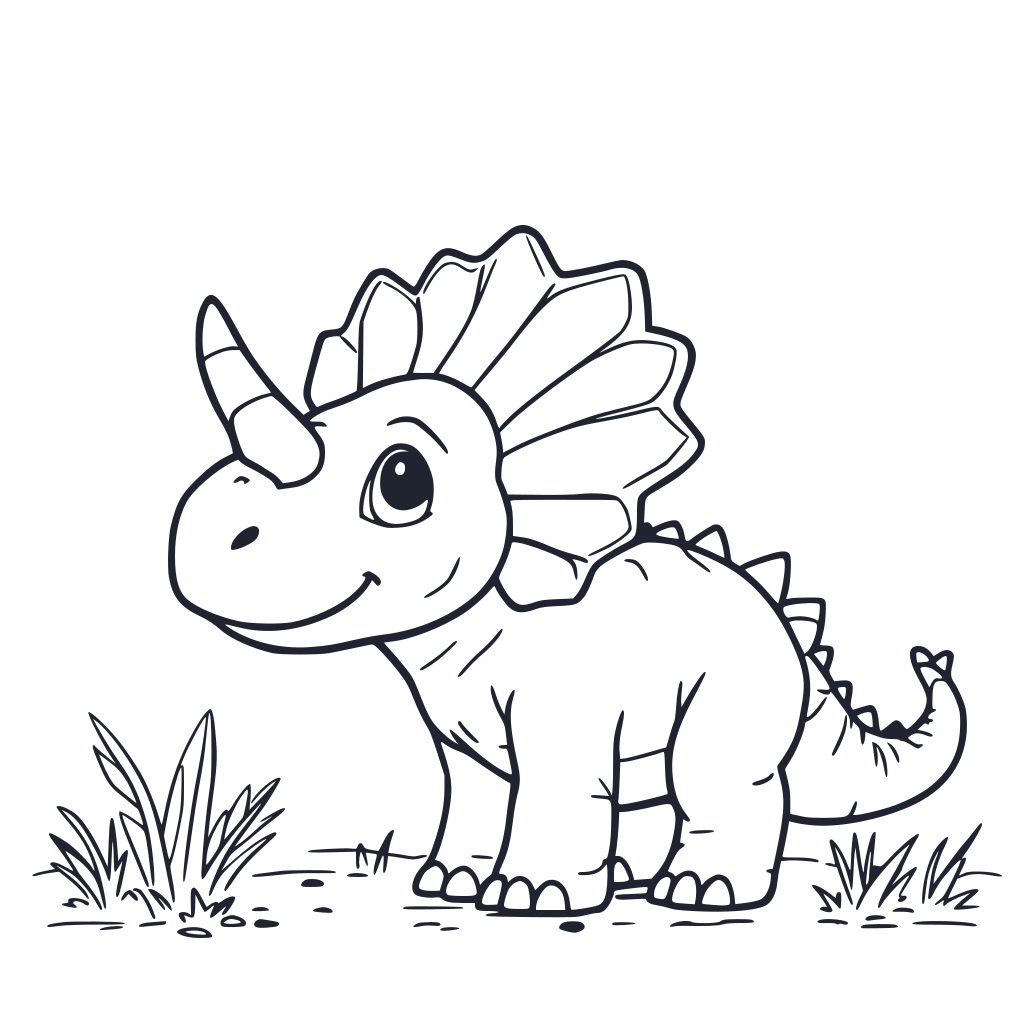
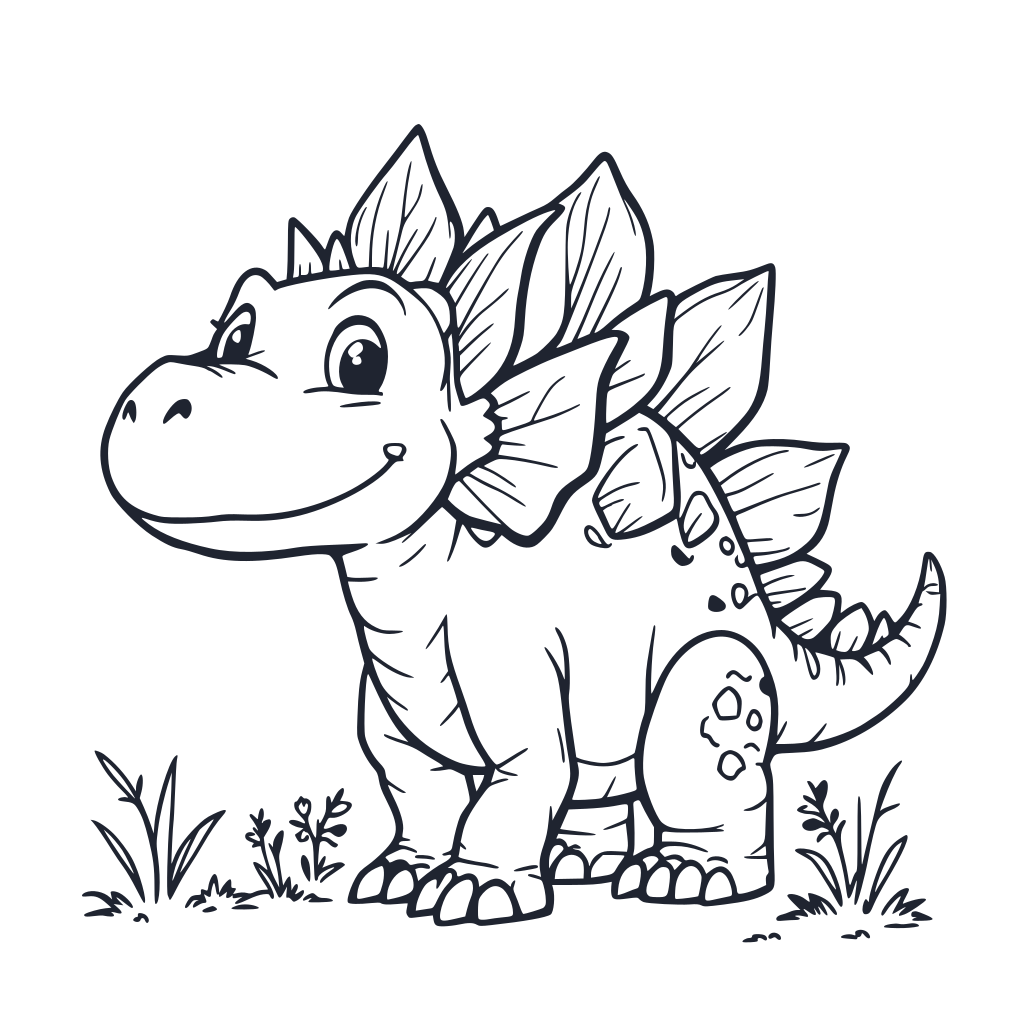
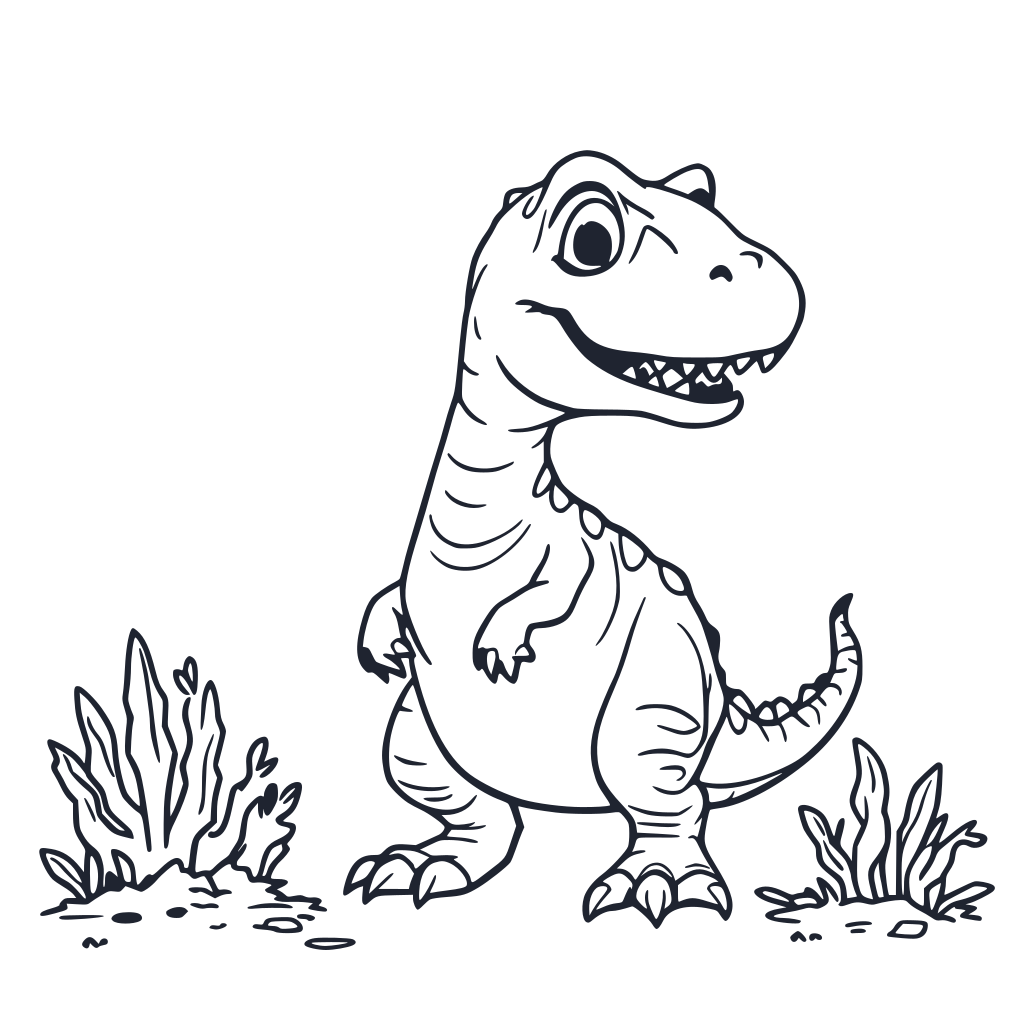
Brontosaurus
Toddler · 2–3A gentle long-neck dinosaur with a rounded body, three sturdy legs, a sweeping tail, and a tiny head high above it all. The body is one huge shape and the spots are drawn separately, so a toddler can fill the big area first and then dot in the patches — a satisfying two-stage page. The long neck is the part children always want to trace with a finger before they start. Coloring a brontosaurus is a natural way to talk about plant-eating dinosaurs, about why such a long neck was useful for reaching treetops, and about how big the biggest dinosaurs really were. Print it on A4 or US Letter, or color it online with tap-to-fill.
The long-necked one
The long neck is the whole identity of this dinosaur, and it makes the page unusual to colour — a long narrow region stretching across the sheet, which needs more sustained control than a compact body would. The spots along the back give somewhere for a child who wants detail to go.
It is also the easiest dinosaur to explain. The neck was for reaching leaves high in trees that nothing else could get to, in the same way a giraffe's is. Children make that connection themselves once you mention the giraffe.
A plant eater
This is the natural page for the meat-eater and plant-eater distinction, which is the first classification most children apply to dinosaurs and one they take very seriously. Long neck, small head, blunt teeth for stripping leaves — everything about the animal says plants.
Frequently asked questions
- Did brontosaurus really exist?
- Yes, though the name had a complicated history — for decades it was merged with apatosaurus before research in 2015 supported it as separate again. Brontosaurus is a perfectly good name to use.
- How do I tell plant eaters from meat eaters?
- Teeth and head size. Plant eaters have small heads and blunt, flat teeth for stripping leaves; meat eaters have big heads and pointed teeth. Children apply this rule enthusiastically once they have it.