Stegosaurus
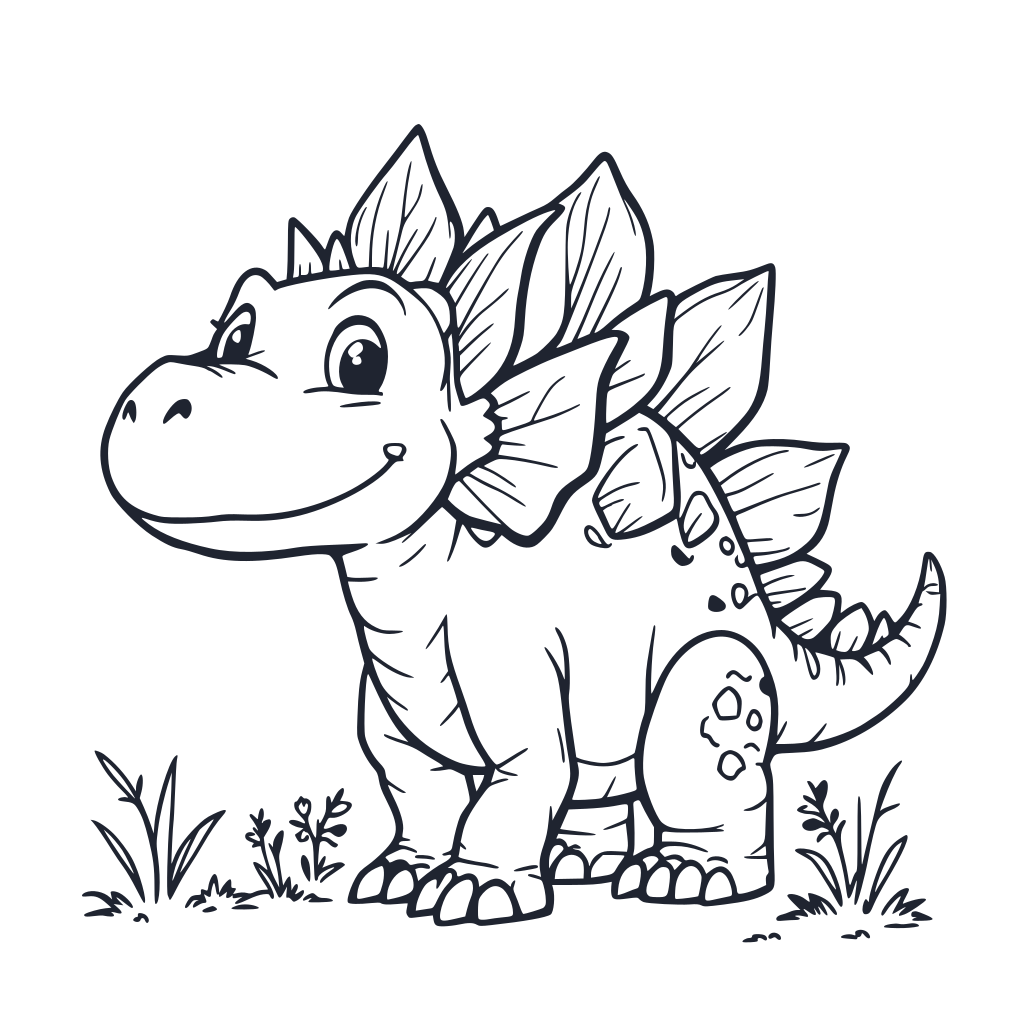
Preschool · 3–5A stegosaurus with a double row of plates running down its back and a thick spiked tail behind it. The plates are the whole appeal of this page — a row of separate shapes that practically invite a pattern, so children can alternate two colors down the back or make every plate different. The body underneath is broad and simple, which keeps the page achievable. Coloring a stegosaurus opens up talk about which dinosaurs ate plants, what those back plates might have been for, and how a slow animal defended itself. Print it for coloring at the table, or color it online with the paint bucket.
Plates along the back, spikes on the tail
The double row of plates is the most distinctive outline in this category and the best part of the page to colour — a series of separate shapes running down the spine, each one its own small region. Alternating two colours along them is the obvious move and it looks excellent.
The spikes at the end of the tail are the other feature worth naming. They have a name of their own, thagomizer, which is a genuinely funny word with a genuinely funny origin, and dinosaur-obsessed children treasure it.
A very small head
Stegosaurus had a brain roughly the size of a walnut on an animal the size of a bus, which children find hilarious and which is a good way into the fact that it ate low-growing plants and did not need to do anything clever. Small head, blunt teeth, plant eater — the same rule as the brontosaurus page.
Frequently asked questions
- What were the plates for?
- Most likely display and temperature control rather than armour — they were too thin to protect much. The tail spikes were the actual defence.
- What age is this page for?
- Four to eight. The row of plates gives plenty of separate small areas, which is what makes it last.