Donkey
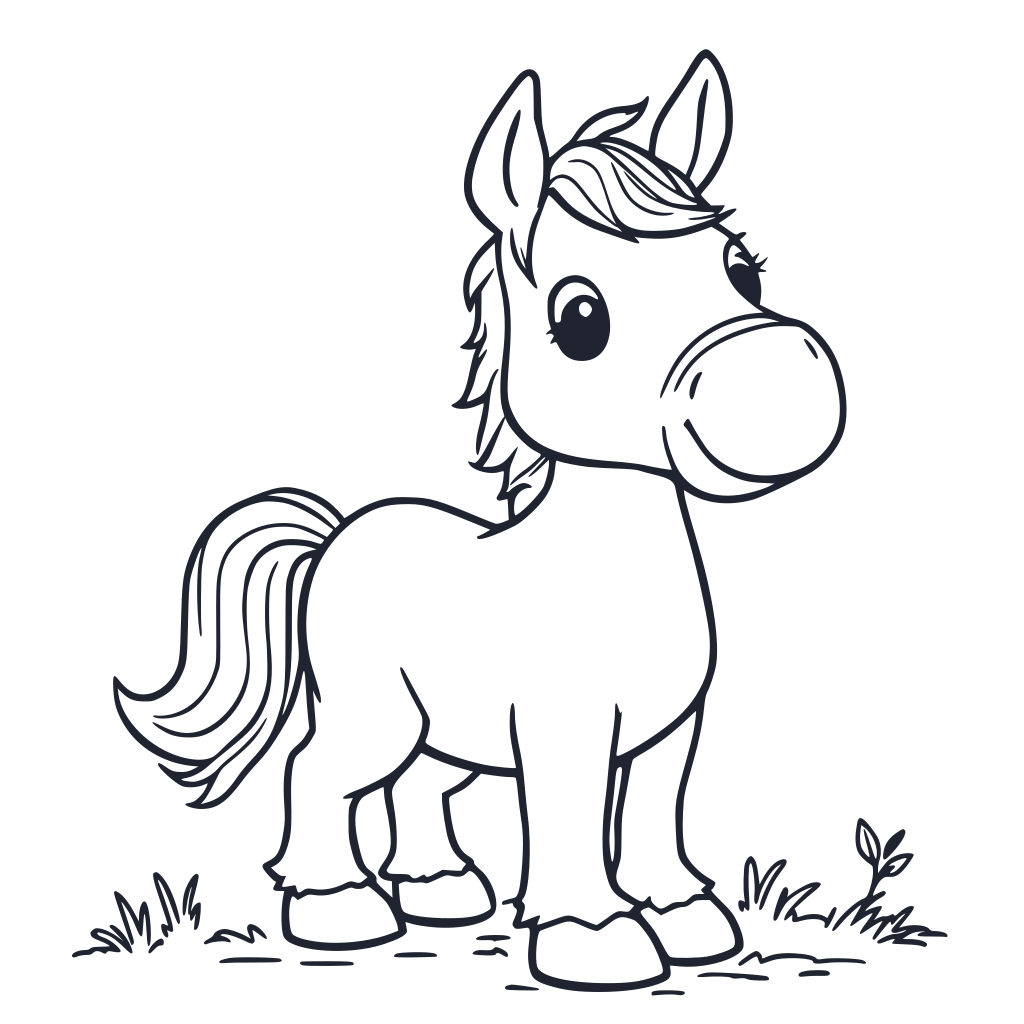
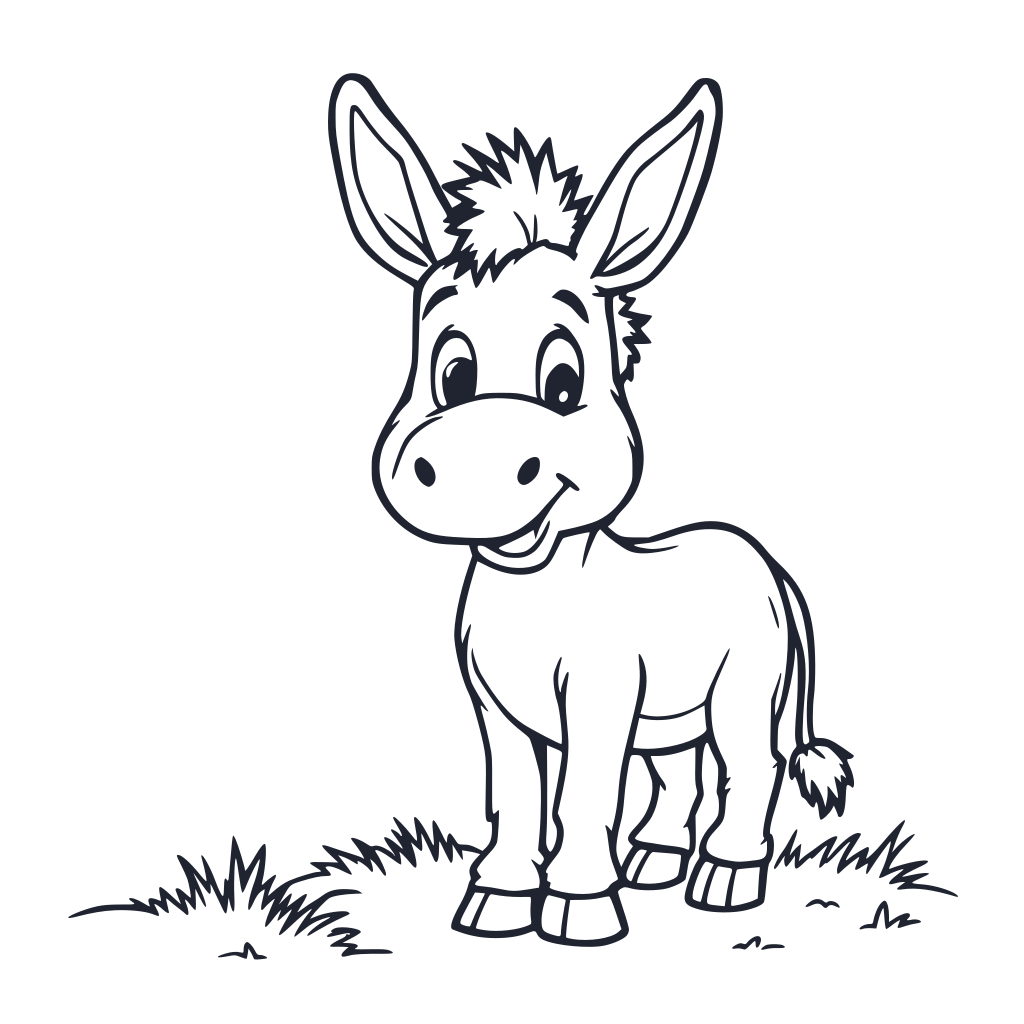
Toddler · 2–3A friendly donkey with long ears, a short tufty mane, and a cheerful face, standing in a patch of grass. The shapes are big and rounded with very little fine detail, which makes this a good page for a young child who is not quite ready for the busier farm animals. Coloring a donkey is a natural way to talk about working animals, about the funny noise a donkey makes, and about the difference between a donkey and a horse — the ears give it away every time. Print it on A4 or US Letter, or color it online with the paint bucket.
Long ears, sturdy build
A donkey is a horse page made easier — shorter legs, a heavier body and enormous ears. It is one of the more approachable traced animals and a good bridge for a child moving from the geometric pages to the detailed ones.
The ears are the largest identifying feature and considerably longer than a horse's, which is the comparison worth making if you colour both.
Careful rather than stubborn
Donkeys have a reputation for stubbornness that is really caution — they stop and assess rather than bolting, which is a sensible response to danger and the opposite of a horse's. It is a good, gentle correction to a stereotype children absorb from stories.
Frequently asked questions
- Are donkeys stubborn?
- Not really. They stop and assess when unsure rather than fleeing, which looks like stubbornness but is a sensible strategy — quite different from a horse's instinct to bolt.
- What age is this page for?
- Three to seven. One of the more forgiving traced pages.