Wolf
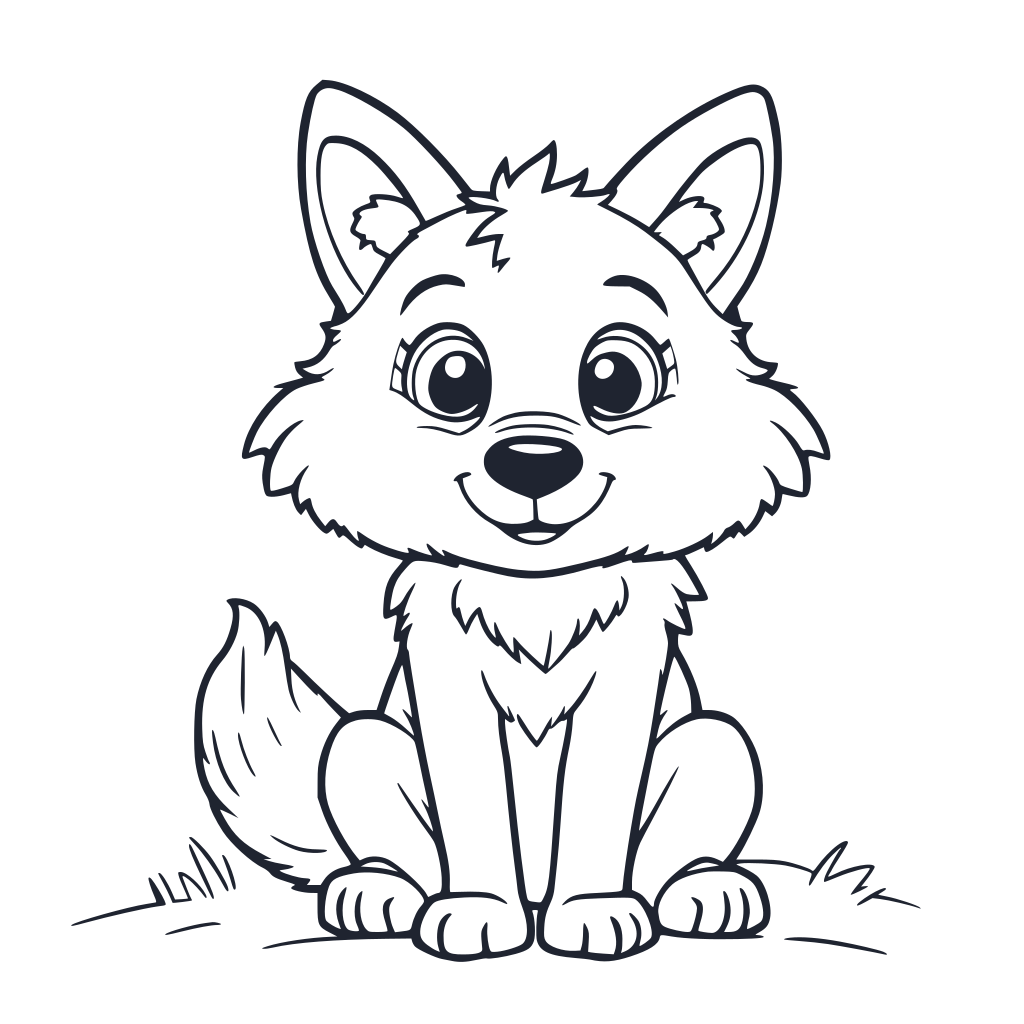
Preschool · 3–5A wolf sitting upright with its tail curled around its front paws, ears pricked, and a thick ruff of fur around the neck. It is drawn friendly rather than fierce — closer to a large dog than to anything out of a story — which matters, because a wolf is the animal small children are most likely to have met only as a villain. The chest and flanks are broad open areas, while the fur around the neck and the brush of the tail are broken into strokes for a child who wants to work at it. Coloring a wolf is a natural way in to talking about how wolves live in families, how they are related to the dog asleep on the sofa, and why howling is a way of talking. Print it for the table, or color it online with the paint bucket.
A dog that is not a dog
A wolf has a longer muzzle, straighter legs and a heavier chest than a pet dog, and putting this page beside the happy dog makes the differences visible. Every domestic dog descends from wolves, which children find hard to believe when they picture a small fluffy one.
The coat is thick and layered, which makes short overlapping strokes the right technique rather than flat fill.
Living in a family
A wolf pack is a family — two parents and their offspring of different years — rather than a hierarchy of rivals. The alpha idea comes from old studies of unrelated captive wolves and has been abandoned. Howling is how a separated family keeps in contact across distance.
Frequently asked questions
- Why do wolves howl?
- To keep in contact across distance, to call the family together and to mark territory. It carries much further through forest than a bark.
- Are dogs descended from wolves?
- Yes, all of them — from the smallest lapdog to the largest working breed. Thousands of years of selective breeding produced the variety we see now.