Triceratops
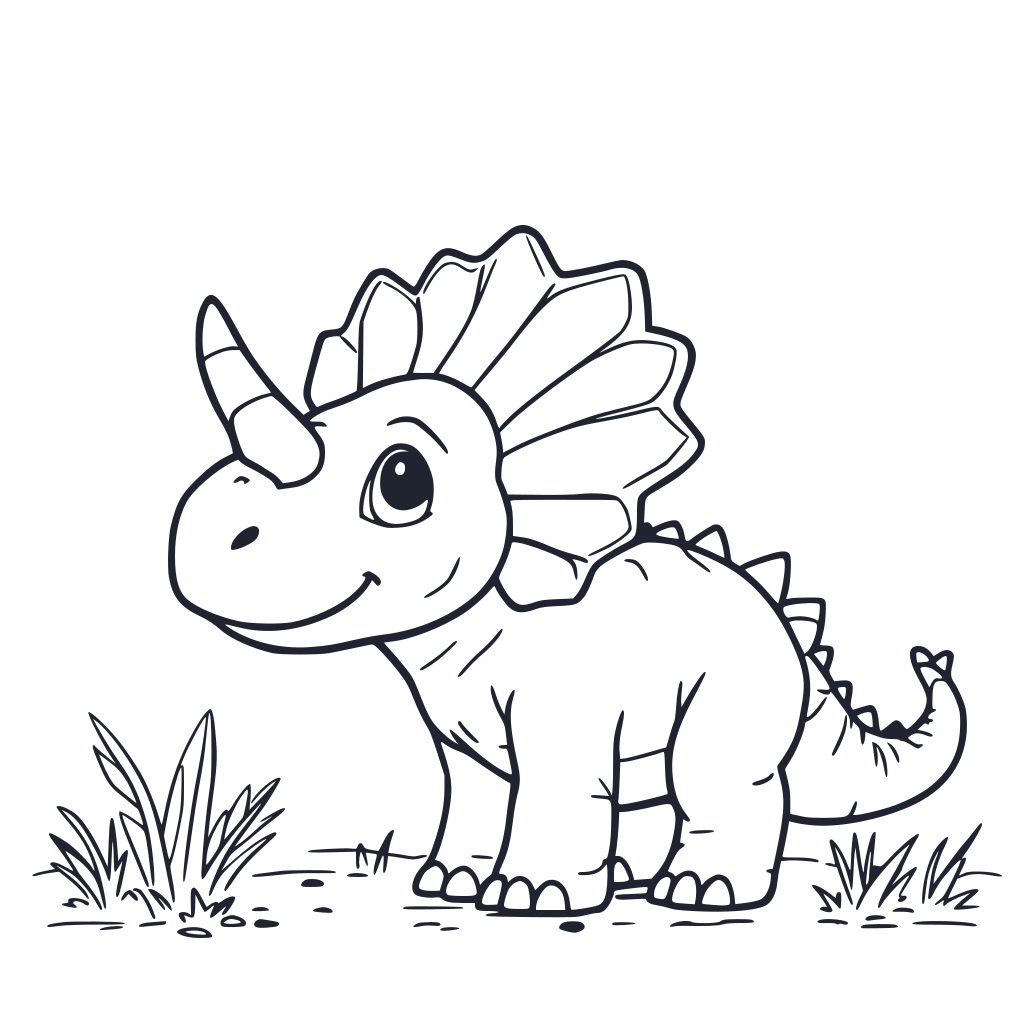
Preschool · 3–5A chunky, good-natured triceratops with the three horns it is named for and a wide bony frill fanning out behind its head. The frill is the best part to color — one big sweep of space that takes a bold color beautifully — while the horns and the pebbly skin give children who like detail somewhere to slow down. Coloring a triceratops is a natural moment to count the horns out loud, one on the nose and two above the eyes, and to talk about how a plant-eater used them to stay safe from bigger dinosaurs. Print it on A4 or US Letter, or color it online with the paint bucket.
Three horns and a frill
The name means three-horned face, and saying so is worth doing — dinosaur names are Greek and Latin descriptions, and once a child knows that, the names stop being nonsense syllables. Two big horns above the eyes, one on the nose, and a broad bony frill behind the head.
The frill is the largest area on the page and the best place for a child to do something deliberate, since there is no evidence for what colour it was and good reason to think it was patterned.
Names that describe the animal
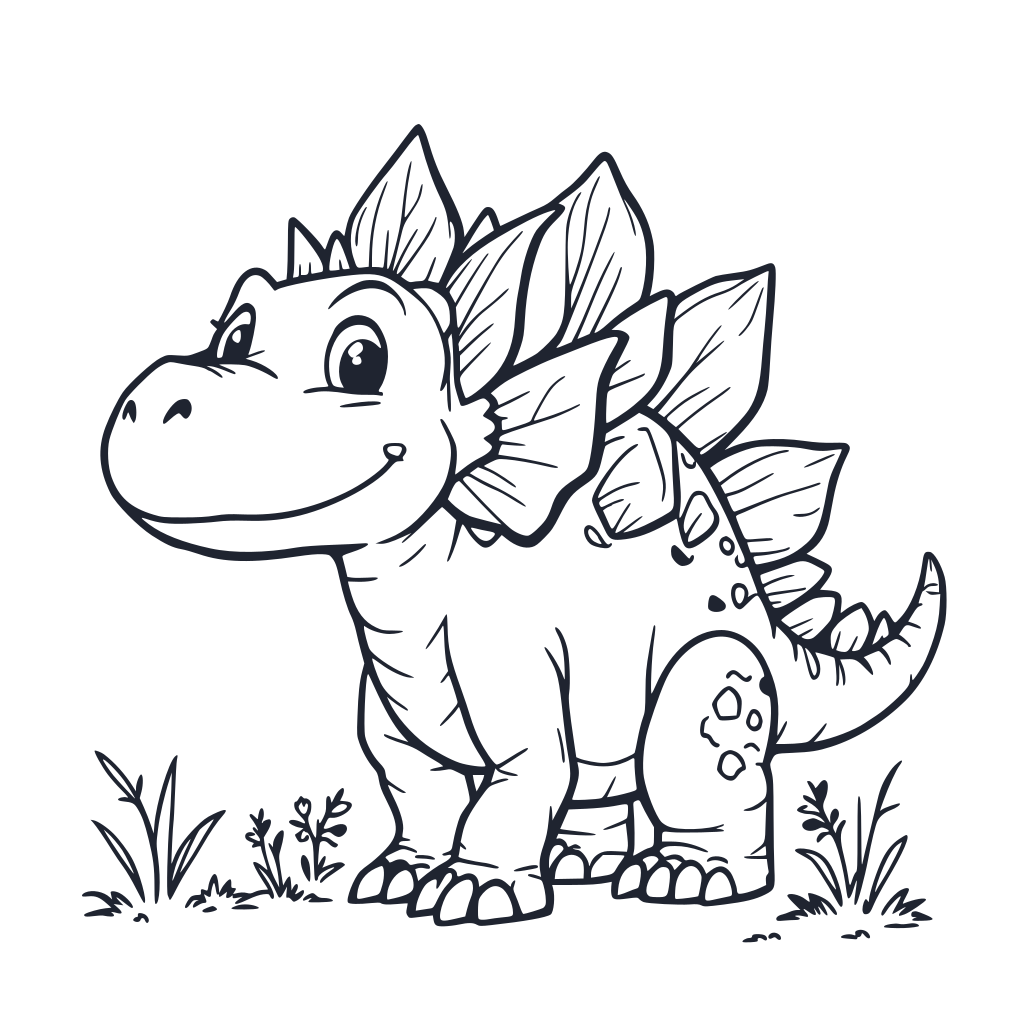
Triceratops, stegosaurus (roofed lizard), velociraptor (swift thief), ankylosaurus (fused lizard). Dinosaur names are descriptions, and a child who learns two or three of the meanings starts guessing at the others — which is both good fun and an early encounter with how words are built from parts.
Frequently asked questions
- What does triceratops mean?
- Three-horned face, from Greek. Dinosaur names are almost always descriptions, and telling children that turns a hard word into something with a meaning they can remember.
- What colour were dinosaurs?
- For most species we do not know, though pigment traces in a few feathered fossils have given real answers. For triceratops, any colour your child chooses is as good as anyone's guess.