Camel
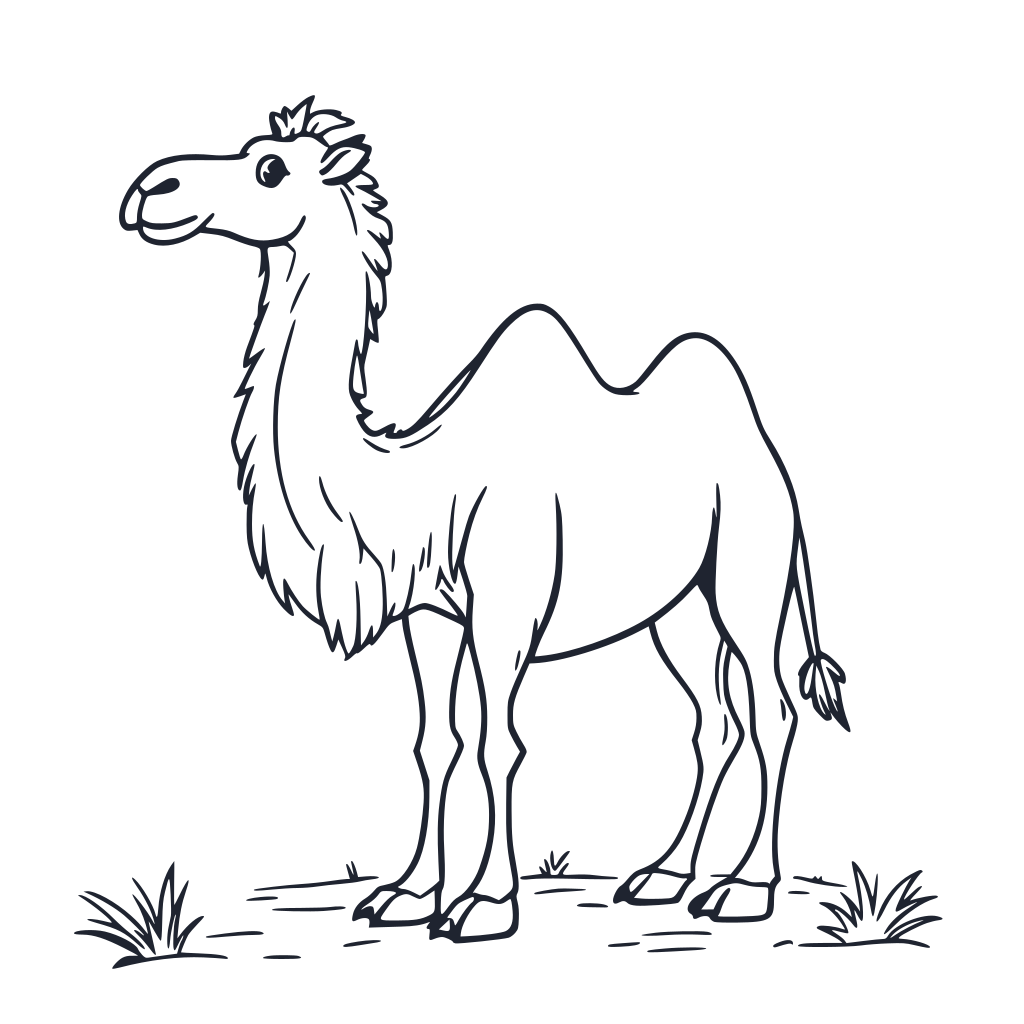
Preschool · 3–5A camel standing on sand with a long curved neck, two tall humps, and the knobbly knees that make a camel's legs so recognizable. Small tufts of desert grass sit at its feet. The humps and the body are large open shapes that take color easily, and the shaggy fur at the neck and knees gives a child somewhere to add texture if they want to. Coloring a camel is one of the better animal pages for talking about how animals are built for where they live — the humps store fat rather than water, the long legs keep the body up away from hot sand, and the wide feet stop it from sinking. Print it for the table, or color it online with the paint bucket. A good companion to the desert and dinosaur pages for anyone working through animals by habitat.
Humps, and what is in them
The humps are the whole identity of the animal and the first thing a child will ask about. They are fat, not water — a store of energy the camel lives off when food is scarce, and the humps shrink and sag as it is used up.
The long legs and neck make this a moderately demanding page, though less so than the horse.
Built for the desert
Two rows of long eyelashes and nostrils that close keep sand out. Wide flat feet stop it sinking. It can drink an enormous quantity in one go and then go a long time without. Almost every feature answers a problem, which makes the camel one of the best animals for the how does its shape help it question.
Frequently asked questions
- Do camels store water in their humps?
- No — the humps are fat, stored as energy. They shrink and flop over as the camel uses them up. The water is held in the bloodstream and tissues.
- What age is this page for?
- Four to eight. A clear outline with long legs that need reasonable control.